
How to clean and season a wooden cutting board properly
Advertisements
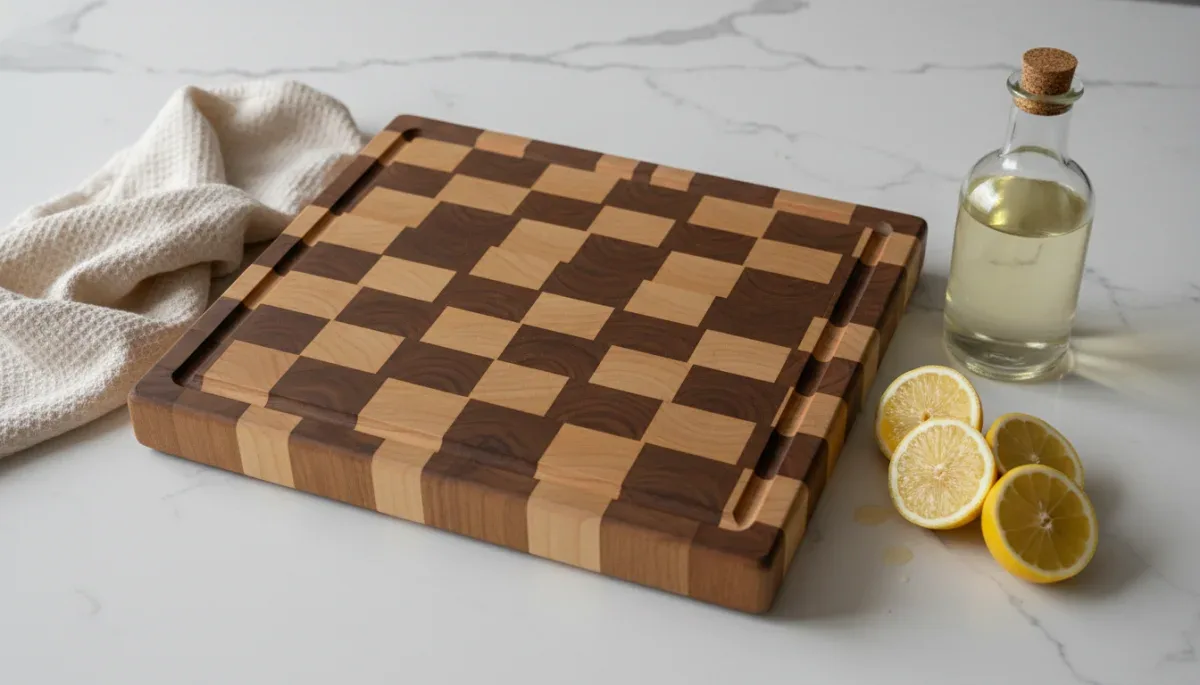
To clean and season a wooden cutting board properly, wash both sides by hand using warm water and mild dish soap, dry the board immediately with a clean towel, and apply a coat of pure food-grade mineral oil once a month. This basic routine protects the cellular structure of the wood from moisture damage while keeping food prep surfaces sanitary.
This method helps home cooks protect edge-grain and end-grain boards made of maple, walnut, cherry, or teak from warping and cracking over decades of daily use. The catch is that wood is naturally porous and hygroscopic, meaning that even a single cycle through a dishwasher or leaving it in a wet sink can permanently ruin the timber and dissolve the waterproof food-grade glue holding the segments together.
Daily cleaning steps after basic food preparation
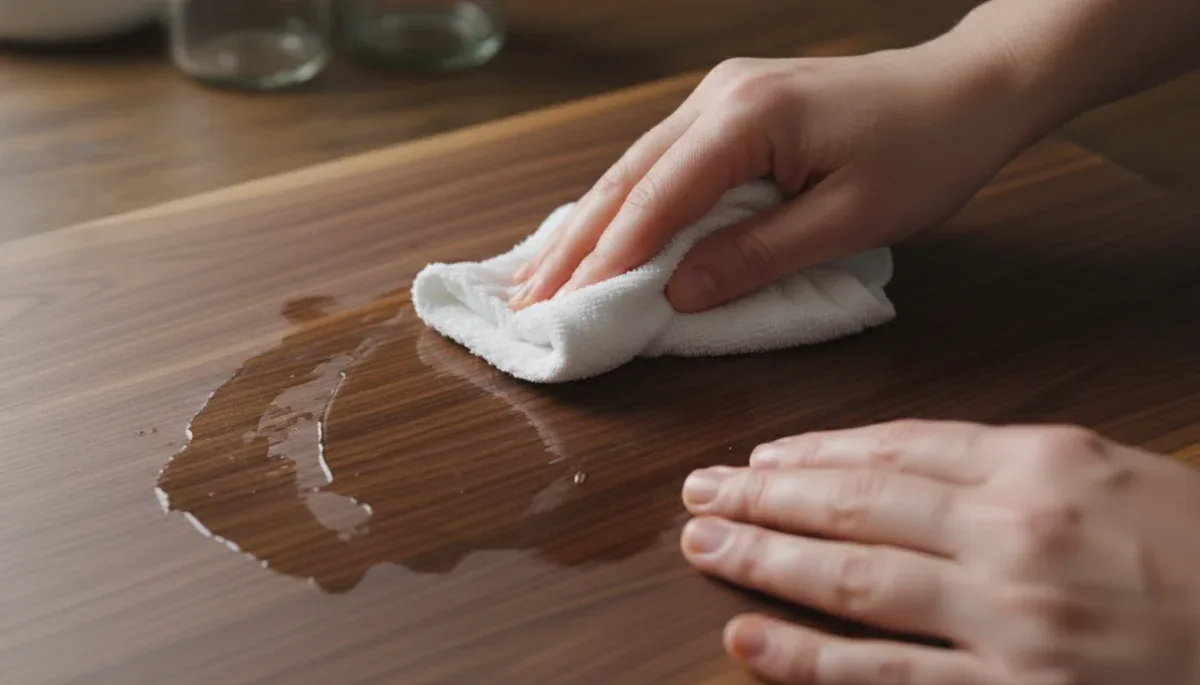
Washing a wooden board requires immediate attention after slicing bread, chopping vegetables, or handling cooked proteins. Water is the main hazard for natural timber because the porous capillary tubes within the wood expand as they absorb moisture. When one side absorbs water and the other remains dry, uneven expansion causes the wood to warp, cup, or split along the seam lines.
Always wash both the top and bottom faces of the board, even if you only sliced ingredients on one side. Equal exposure to water prevents differential expansion across the thickness of the plank. Use a non-abrasive sponge with a small drop of mild liquid dish soap, scrub the surface gently under running warm water, and rinse off all suds within thirty seconds. Never submerge or soak the board in a filled sink basin.
Once rinsed, immediately wipe the surface with a dry dish towel to remove standing water. Stand the board upright on its edge or place it in a wire drying rack so that air circulates freely around all sides. Storing a damp board flat against a solid countertop traps residual water against the bottom surface, which creates mold growth and cupping within hours.
Deep cleaning and stain removal methods
Over time, ingredients like beets, berries, raw poultry, and garlic leave stubborn marks and sulfur compounds in the grain. Deep cleaning removes these organic residues without stripping the natural protective lignin in the wood fibers or drying out the surface excessively.
For routine sanitization and odor removal after working with alliums or raw meat, use coarse kosher salt and a cut lemon. The coarse salt acts as a gentle mechanical abrasive that lifts dried particles without gouging the timber, while the citric acid in the lemon juice neutralizes alkaline odor molecules and brightens surface discoloration.
Standard deep cleaning routine
- Sprinkle kosher salt: Cover the dry board generously with coarse salt across all prep areas.
- Scrub with lemon: Take half a fresh lemon and rub the salt across the surface in small circular motions, squeezing gently to release juice.
- Let the mixture sit: Allow the wet salt slurry to rest on the board for five minutes to draw out odors.
- Rinse and dry: Scrape the residue into the sink, rinse thoroughly with warm water, and wipe dry with a clean cloth.
If you encounter persistent grease stains or dark discoloration from steel knives, make a thick paste using sodium bicarbonate (baking soda) and warm water. Spread the paste over the discolored patch, let it sit for ten minutes, scrub lightly with a nylon bristle brush, and rinse clean. Avoid chlorine bleach and harsh chemical cleaners, as they break down the cellulose structure and turn hardwoods gray.
Selecting the proper oils and conditioning waxes
Wood requires regular hydration with stable, non-drying fats to fill empty pores and prevent liquid foods from penetrating the interior. However, choosing the wrong pantry oil can ruin a wooden board permanently.
Never apply culinary vegetable oils such as olive, canola, sunflower, corn, or vegetable oil to a cutting board. These plant-derived lipids contain unsaturated fatty acids that oxidize when exposed to ambient oxygen and room temperature, turning rancid over time. Rancid oil produces a sticky, yellowish residue and an unpleasant, sour smell that transfers directly into food.
The standard treatment for kitchen woodwork is pure, food-grade mineral oil, which is a highly refined liquid paraffin derived from petroleum that meets United States Pharmacopeia standards for food contact. Food-grade mineral oil is colorless, odorless, tasteless, and completely shelf-stable, meaning it will never spoil or turn sticky. For added water repellency, choose a board butter or wood cream containing a blend of food-grade mineral oil and natural beeswax or carnauba wax. The wax buffing creates a thin hydrophobic barrier on top of the oiled grain.
Step-by-step instructions to season a wooden cutting board
Seasoning creates a saturated protective zone within the timber that repels moisture and prevents juice absorption during food prep. A brand-new board or an older dry board with a faded, pale appearance needs a thorough oiling process to restore its resilience.
Ensure the board is completely dry before beginning. If the board was washed recently, let it rest upright for at least twelve to twenty-four hours in a well-ventilated room so internal moisture evaporates. Applying oil over trapped internal water seals moisture inside, which can lead to interior rot and structural failure.
The complete seasoning process
- Pour the oil: Drizzle a generous pool of food-grade mineral oil onto the center of the dry board.
- Distribute evenly: Use a clean lint-free cotton rag, a microfiber cloth, or a piece of unbleached parchment paper to spread the oil across the top, bottom, and all four perimeter edges.
- Allow penetration: Let the board rest undisturbed on its side for at least four to eight hours, or overnight, so the wood capillaries absorb the liquid.
- Apply a second coat: If the wood drinks in the initial application completely and appears dry within two hours, apply a second layer.
- Buff the surface: Wipe away all unabsorbed oil using a clean, dry cotton towel, buffing firmly in the direction of the wood grain until the surface feels smooth and non-greasy.
Routine maintenance schedules and storage practices
Maintaining a wooden board is an ongoing task that depends on local humidity, ambient room temperature, and how frequently you cook. In dry winter months or air-conditioned environments, moisture leaves wood quickly, accelerating the drying process and leaving the surface vulnerable to cracking.
A simple drop test tells you when it is time to re-oil the board. Place a single drop of water on the clean board face. If the droplet remains beaded into a tight dome, the oil barrier is intact. If the water spreads out flat or absorbs into the grain within a minute, the wood is dry and requires an immediate coat of mineral oil or conditioning wax.
Storage conditions play a major role in the lifespan of kitchen woodwork. Keep cutting boards away from direct heat sources, such as the back of a stovetop, next to a toaster oven, or above a warm dishwasher vent. Store boards either resting vertically in a dedicated divider rack or resting on small food-safe silicone rubber feet, which prevent liquid on the kitchen counter from getting trapped underneath the wood.
At a glance
| Care factor | What to know |
|---|---|
| Recommended oil | Use pure food-grade mineral oil or beeswax blends, never vegetable cooking oils. |
| Cleaning method | Hand-wash both sides with mild soap and warm water, then dry immediately. |
| Oiling frequency | Apply oil once a month or whenever water stops beading on the dry wood surface. |
| Drying position | Store upright on edge in an open area with balanced airflow on both sides. |
Frequently asked questions
Can I put a wooden cutting board in the dishwasher?
No, automatic dishwashers use prolonged hot water cycles and heated drying elements that warp the timber and dissolve the waterproof glue joints holding the board together. Always wash wooden boards by hand under running water and dry them right away with a towel.
What should I do if my wooden cutting board smells like onions?
Sprinkle coarse kosher salt over the surface and scrub thoroughly using the cut side of half a lemon. The citric acid and salt lift trapped sulfur compounds without damaging the wood fibers, neutralizing persistent food odors in just a few minutes.
Is mineral oil safe to use on surfaces that touch food?
Yes, provided you purchase pure mineral oil labeled as food-grade or USP (United States Pharmacopeia) standard. These highly refined oils contain no harmful impurities, scents, or flavors and are entirely non-toxic for everyday contact with food products.
How do I fix a cutting board that has started to warp slightly?
Place a damp dishcloth beneath the concave (cupped) side of the board and leave it on a flat counter overnight, or wash both sides and dry it upright with equal airflow. The absorbed moisture will help expand the constricted fibers and flatten the timber.
The bottom line
Keeping a wooden cutting board in top condition comes down to hand-washing promptly after use, drying the board upright, and applying food-grade mineral oil whenever water stops beading on the surface. These simple habits prevent moisture damage and split seams for years of reliable food preparation. Before applying any commercial conditioner or board cream, check the ingredient label carefully on the manufacturer bottle to confirm that it contains only pure food-grade mineral oil, beeswax, or carnauba wax.
Written by
Mariana Viana
Mariana Viana writes about beauty & health and home & kitchen for inserdernews.com. Each article explains how things work, compares published details such as prices, policies and program rules, and points readers to the official source before they decide.