
Cast iron vs enameled cast iron for everyday cooking
Advertisements
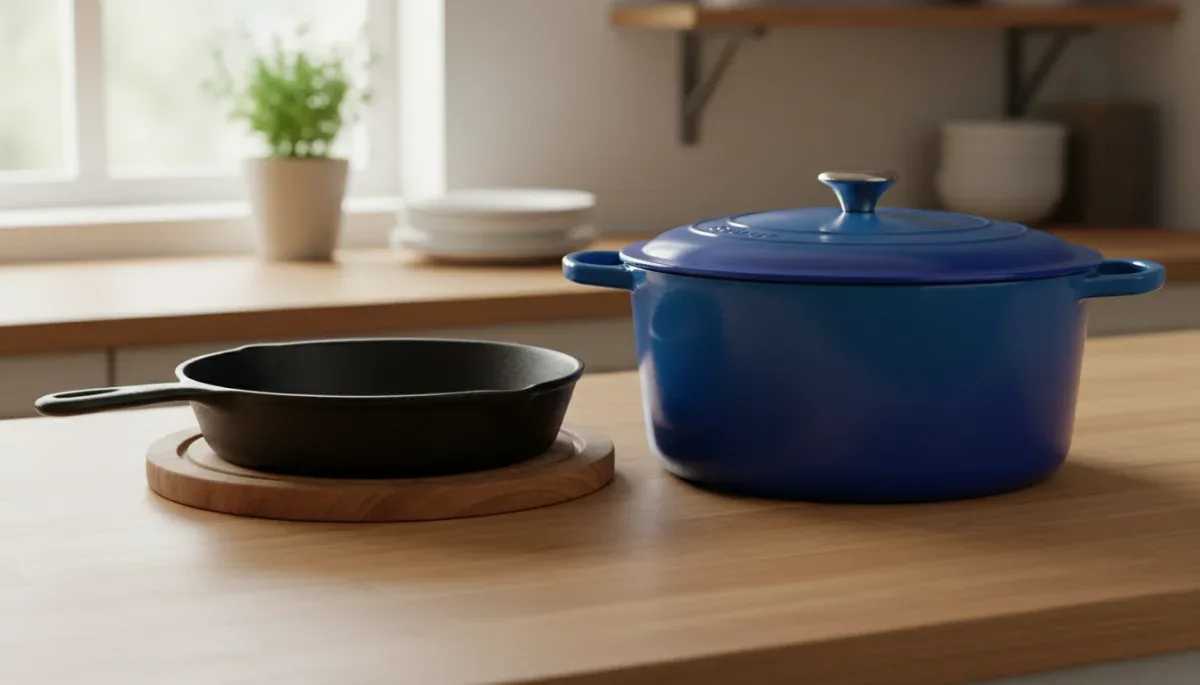
Traditional cast iron is ideal for high-heat searing, baking, and open-flame cooking, while enameled cast iron excels at simmering acidic ingredients, braising, and simple cleanup without routine seasoning. Understanding the differences in construction, daily maintenance, thermal properties, and total longevity helps you choose the right pan for your specific kitchen routine.
This comparison helps home cooks determine which cookware material best matches their daily cooking habits, budget, and willingness to perform routine surface care. The main catch is that raw cast iron requires dedicated seasoning and rust prevention, whereas enameled cookware carries a higher purchase price and can chip if dropped or subjected to rapid temperature shifts.
Understanding core materials and surface construction
Both traditional and enameled cookware share the exact same foundation: molten iron poured into sand molds. This dense base provides exceptional thermal mass, allowing pans to retain heat longer than stainless steel, copper, or standard aluminum cookware. However, the surface treatment completely changes how each material interacts with food, heat, and moisture during daily food preparation.
Traditional raw cast iron features bare, porous metal that relies on polymerized cooking oil, known as seasoning, to create a protective barrier against moisture and reduce food adhesion. This layer builds over time as fats bake into the microscopic pores of the iron. Because bare metal remains exposed beneath this layer, raw pans react chemically with moisture, oxygen, and acidic ingredients if the seasoning is thin or stripped.
Enameled cast iron solves reactivity by fusing a layer of powdered vitreous glass directly onto the iron core at temperatures exceeding 1,400 degrees Fahrenheit. The resulting finish is completely non-porous, smooth, and impervious to moisture and oxidation. It eliminates the need for seasoning entirely and creates a cooking surface that does not leach iron into food or absorb lingering aromas.
Key material differences to consider
- Raw surface: Microscopic pores bond with cooking fats to create a natural patina over time.
- Vitreous enamel: Impermeable glass barrier prevents rust and stops all chemical interaction with food.
- Interior finish types: Enameled pans come with either glossy cream interiors for monitoring fond or matte black enamel for high-temperature searing.
Heat retention, conduction, and thermal shock tolerance
Cast iron is an inefficient heat conductor compared to aluminum or copper, meaning it takes longer to heat evenly across its entire surface. Once hot, however, its density allows it to store vast amounts of thermal energy. When you place a cold steak or chicken breast into either type of pan, the surface temperature remains steady, producing a deep, consistent crust that thin pans cannot achieve.
Where these two materials diverge is their tolerance for extreme thermal stress. Traditional bare cast iron is exceptionally durable and withstands sudden temperature changes relatively well, although severe shocks can still crack raw iron. It handles open campfires, charcoal grills, and oven temperatures exceeding 600 degrees Fahrenheit without sustaining damage to its structural integrity or cooking surface.
Enameled cast iron requires far more careful thermal management because glass and iron expand at different rates when heated. Exposing a hot enameled pan to cold water, or heating it dry on high heat, can cause the enamel to craze, crack, or pop off the metal base. Most enameled cookware manufacturers suggest keeping cooking temperatures on medium or low heat, and oven-safe limits typically range from 450 to 500 degrees Fahrenheit depending on the lid handle material.
Cooking performance across everyday ingredients and recipes
For high-heat searing, smash burgers, cornbread, and stovetop-to-oven roasting, traditional cast iron remains the preferred tool. Its durable surface allows the use of metal spatulas, which are helpful for scraping up deeply browned crusts without worrying about scratching a delicate coating. The naturally seasoned surface also develops excellent release properties for eggs and pancakes when properly preheated with a light layer of fat.
However, traditional cast iron struggles with extended simmering of acidic foods. Ingredients like canned tomatoes, citrus sauces, wine-based reductions, and vinegar dressings can break down the polymerized oil seasoning. This chemical reaction may impart a faint metallic taste to light-colored sauces and leave the pan vulnerable to surface rusting until re-seasoned.
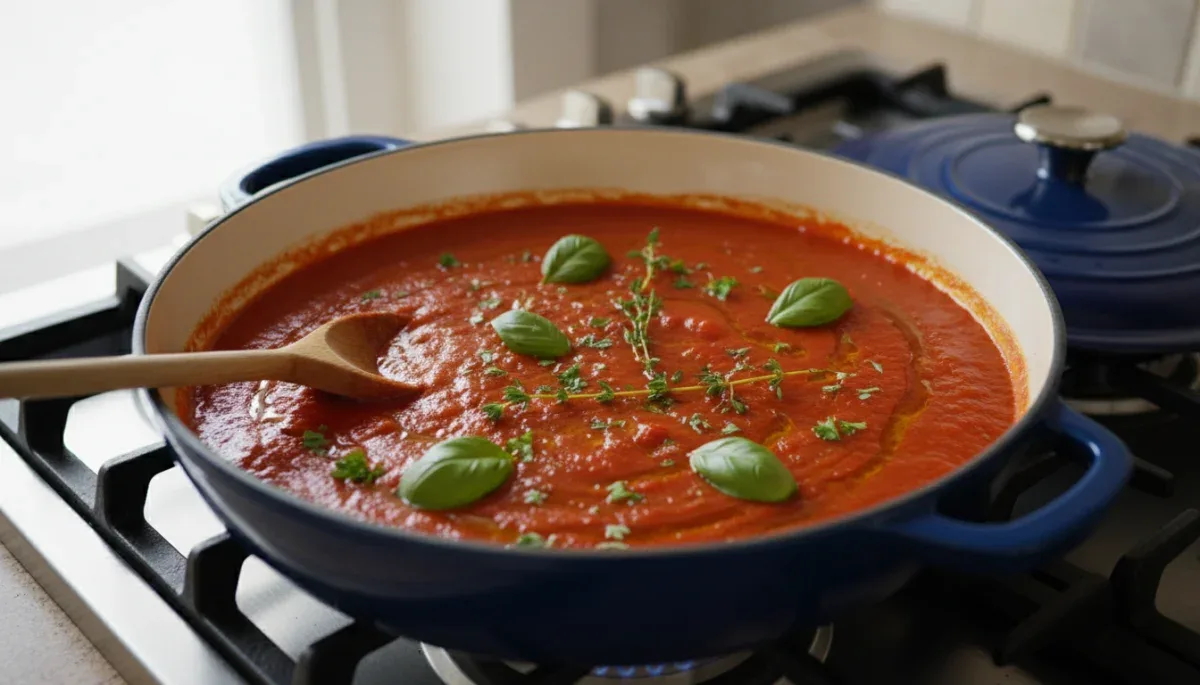
Enameled cast iron is the standard choice for soups, stews, braises, and tomato-heavy pasta sauces. Because the glass coating is non-reactive, you can simmer a bolognese or chili for hours without stripping the pan or altering the flavor profile. The light-colored interior found on many enameled pans also makes it significantly easier to monitor the browning of butter, onions, and meat fond compared to the pitch-black surface of raw iron.
Best uses for each pan style
- Choose traditional cast iron for: Pan-seared steaks, skillet cornbread, deep-dish pizza, crispy fried eggs, and outdoor campfire cooking.
- Choose enameled cast iron for: Beef bourguignon, slow-simmered tomato sauces, braised short ribs, chicken stew, and no-knead sourdough bread.
- Use either for: Shallow frying, sautéing hearty vegetables, and roasting whole poultry in the oven.
Cleaning, maintenance, and storage requirements
Maintenance routines are often the deciding factor for home cooks when choosing between these two materials. Traditional cast iron demands a dedicated routine after every use. It must be hand-washed using gentle dish soap and a non-abrasive sponge, rinsed, immediately dried with a towel, and heated briefly on the stovetop to evaporate residual moisture before receiving a light wipe of neutral cooking oil to prevent rust.
Enameled cast iron simplifies post-meal cleanup considerably. Because the glass coating completely prevents rust, you can let an enameled pot soak in the sink with warm water and dish soap to loosen stubborn food residue. While hand washing remains the recommended method to preserve the enamel gloss, the process requires no specialized drying routines, no stovetop heating, and zero oil applications before returning the pot to the cabinet.
Storage considerations also differ between the two surfaces. Raw cast iron can be stacked freely, provided the seasoning is dry. Enameled pans require protective felt pads or silicone pot protectors when nesting to prevent the enamel rim and exterior from chipping against neighboring cookware. Furthermore, enameled interiors can develop staining from deeply colored spices like turmeric, which requires gentle scrubbing with baking soda to lift safely.
Durability, lifespan, and accidental damage risks
A properly maintained raw cast iron skillet is virtually indestructible and can last for multiple generations. If a bare iron pan is neglected, left outdoors, or allowed to rust completely, it can easily be stripped down with steel wool, washed, and re-seasoned to look and function like new. Dents, drops, and metal utensils rarely compromise the cooking surface of raw iron.
Enameled cast iron is durable, but its glass interior is permanently vulnerable to physical damage. Dropping an enameled pan onto a hard tile floor, banging a metal spoon against the rim, or cutting meat inside the pot with a knife can chip the glass coating. Once the interior enamel chips and exposes the raw iron underneath, the cookware is no longer food-safe because small glass shards can continue to flake off into food during cooking.
Replacing an enameled piece is usually the only remedy once interior chipping occurs, as re-enameling is not practical for home consumers. Consequently, cooks must use wooden, silicone, or heat-resistant plastic utensils to safeguard the interior surface of enameled vessels, while traditional cast iron handles metal utensils without structural risk.
Price points, brand options, and long-term value
Traditional raw cast iron represents one of the most cost-effective investments in home cookware. Established American manufacturers like Lodge produce standard 10-inch and 12-inch skillets at accessible price points, often retailing between twenty and forty dollars at the time of writing. Premium smooth-cast boutique brands exist at higher prices, but the entry barrier for high-performing raw iron remains very low.
Enameled cast iron spans a much wider pricing spectrum. Budget enameled Dutch ovens from department stores and mass retailers often sell for under eighty dollars, offering reasonable performance with slightly thinner enamel coatings. Heritage European brands such as Le Creuset and Staub produce premium enameled cookware that ranges from two hundred to over four hundred dollars depending on the vessel capacity.
When calculating long-term value, raw cast iron offers exceptional returns because it cannot be permanently ruined by surface stains or chips. Premium enameled pieces carry strong manufacturer warranties against factory defects, but home cooks should always verify current warranty coverage and care guidelines directly on official brand websites before purchasing.
At a glance
| Factor | What to know |
|---|---|
| Surface care | Raw iron requires regular seasoning and thorough drying, while enameled surfaces wash with soap and water. |
| Acidic cooking | Enameled cookware handles acidic sauces effortlessly, whereas raw iron can strip seasoning and impart metallic notes. |
| Heat tolerance | Bare iron safely withstands open flames and metal tools, but enameled glass can chip from impact or thermal shock. |
| Purchase cost | Traditional skillets are highly affordable, while quality enameled cookware requires a larger financial investment. |
Frequently asked questions
Can you use dish soap on traditional cast iron?
Yes, modern dish soap is safe for seasoned cast iron because it lacks harsh lye. Use a small amount of mild soap with warm water and a non-abrasive sponge, then dry the pan completely and apply a thin layer of oil to protect the seasoning.
Why is enameled cast iron so much more expensive?
The higher cost reflects the multi-step industrial manufacturing process required to apply, fire, and inspect multiple coats of glass enamel. Premium brands also use proprietary enamel formulas and rigorous quality testing to ensure the glass bonds permanently to the iron core.
Do I need to season an enameled cast iron skillet?
No, you never need to season enameled cast iron because the vitreous glass coating already creates an impermeable barrier over the iron. Applying seasoning oils and baking the pan will only create a sticky residue that is difficult to wash off the enamel.
Can I use metal utensils in enameled cookware?
No, you should avoid metal utensils because they can scratch, dull, or chip the delicate interior glass enamel. Use wooden, silicone, or heat-resistant nylon spoons and spatulas to protect the cooking surface and keep your cookware safe for food preparation.
The bottom line
Traditional cast iron is the ultimate workhorse for high-heat searing, baking, and lifelong durability on a modest budget, while enameled cast iron provides unmatched convenience for slow-simmered, acidic dishes with easy cleaning. Most home kitchens benefit from owning both: an inexpensive raw skillet for daily pan-frying and an enameled Dutch oven for braises and soups. Before buying, verify your stovetop type and confirm the manufacturer warranty terms on the official retailer website.
Written by
Mariana Viana
Mariana Viana writes about beauty & health and home & kitchen for inserdernews.com. Each article explains how things work, compares published details such as prices, policies and program rules, and points readers to the official source before they decide.