
Setting Spray vs Setting Powder for Daily Wear
Advertisements
Setting powder controls surface oil and blurs fine lines using dry absorbent minerals, while setting spray binds makeup layers together and extends wear time through flexible film-forming polymers. Choosing between setting spray vs setting powder comes down to your skin type, the finish you prefer, and how long you need your makeup to remain intact during normal daytime activities.
This comparison helps anyone building a practical morning routine who wants their foundation and concealer to last without feeling heavy or looking cakey. The catch is that neither product works as a universal fix for every skin concern, and using the wrong formula can lead to dry patches, midday shine, or clogged pores if you do not match the ingredients to your skin needs.
How setting powder works on everyday makeup
Setting powder is a dry cosmetic formulation designed to absorb moisture and oils while creating a physical barrier over wet or creamy base products. Traditional loose and pressed powders rely on finely milled mineral ingredients such as talc, silica, cornstarch, or mica. When applied over liquid foundation or cream concealer, the microscopic powder particles settle into the wet layer, absorbing volatile oils and binding the liquid pigment in place.
The primary mechanical action of powder is oil absorption and shine reduction. By soaking up excess sebum that the skin naturally secretes throughout the day, powder prevents foundation from breaking apart and slipping across the face. Additionally, spherical silica and mica particles scatter incoming light, which creates an optical blurring effect that softens the appearance of pores and uneven surface texture.
Common types of setting powders
- Translucent loose powder: A colorless, finely ground powder that sets makeup without adding extra pigment, making it suitable for multiple skin tones and delicate under-eye areas.
- Tinted pressed powder: A compact powder that includes subtle color coverage to even out skin tone while offering convenient mess-free touch-ups throughout the day.
- HD silica powder: A pure mineral powder formulated to diffuse light under standard lighting, requiring a light hand to avoid camera flashback.
- Banana or color-correcting powder: A lightly pigmented yellow or peach powder used to neutralize redness or brighten dark shadows beneath the eyes.
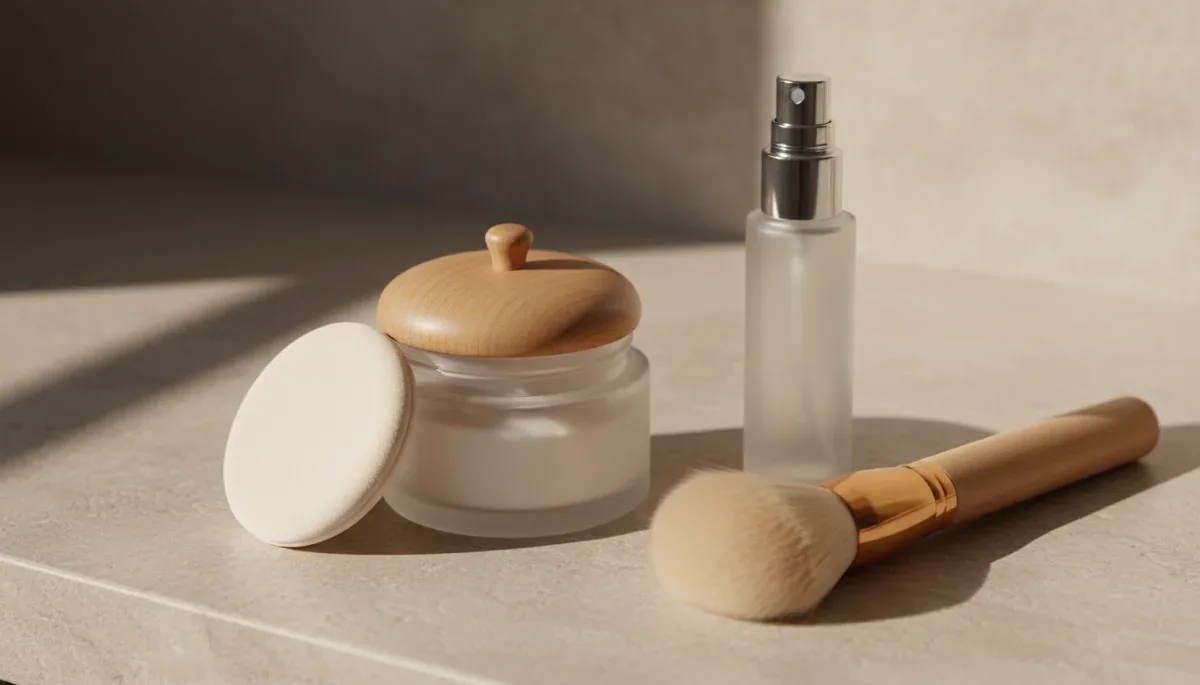
Because setting powder is dry, it requires proper application tools to avoid looking heavy. A dense velour puff presses powder firmly into areas prone to creasing, such as around the nose and under the eyes, while a large fluffy brush deposits a light veil over the forehead and cheeks for balanced oil control.
How setting spray locks base products in place
Setting spray is a liquid mist formulated with water, humectants, and specialized polymers that fuse makeup layers together. Unlike powders that sit on top of the skin to absorb liquid, a setting spray creates a continuous, flexible film over the entire face. Common polymers like polyvinylpyrrolidone (PVP) and acrylates copolymer form a microscopic net over your foundation, blush, and eyeshadow, preventing them from transferring or fading.
In addition to film-formers, setting sprays often contain solvents like alcohol or hydrating agents like glycerin and hyaluronic acid. Alcohol-based sprays evaporate rapidly, creating an airtight, transfer-resistant shield that withstands humidity, sweat, and physical friction. Alcohol-free setting sprays use water and humectants to melt powdery textures into the skin, resulting in a cohesive, natural finish that does not dry out delicate skin.
Key categories of setting sprays
- Matte-finish sprays: Contain oil-absorbing clays or specialized polymers and alcohol to suppress surface shine and maintain a velvety appearance for hours.
- Dewy-finish sprays: Feature light oils, plant extracts, and humectants that impart a luminous sheen while preventing makeup from cracking or settling into dry patches.
- Long-wear barrier sprays: Heavy-duty, polymer-dense formulas designed to resist water, sweat, and transfer during long events or humid weather conditions.
- Hydrating mists: Gentle, alcohol-free blends designed to refresh the skin, eliminate powdery residue, and provide comfort throughout the workday.
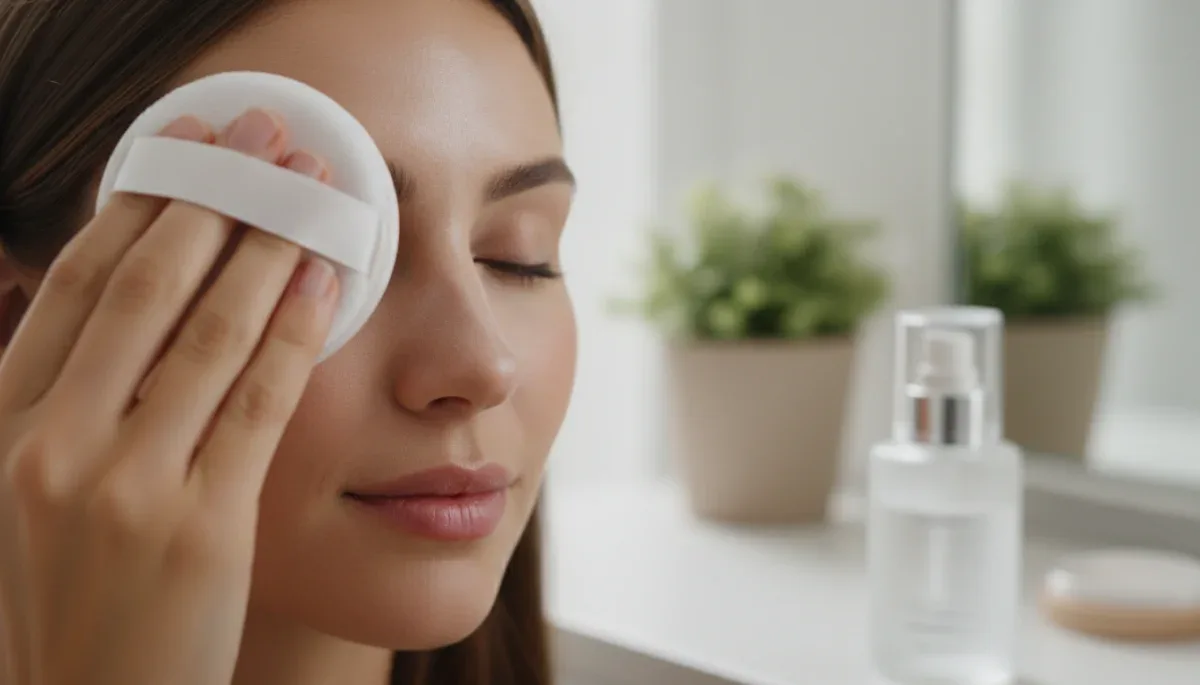
Applying setting spray requires holding the nozzle six to eight inches away from the face and misting in an even pattern. Allowing the liquid to air-dry completely ensures the polymer matrix sets correctly without disturbing the underlying pigment layers.
Comparing finishes and texture for daily wear
The visual finish of your makeup depends heavily on whether you choose setting spray vs setting powder. Setting powder inherently reduces reflectivity. A classic loose translucent powder produces a velvety, semi-matte to fully matte finish by eliminating any surface sheen from moisturizers, sunscreens, and foundations. For individuals who work under bright office lights or outdoors, this matte finish gives a clean, polished appearance that remains consistent over several hours.
Setting spray offers greater versatility in the type of finish you can achieve. If you prefer your skin to look hydrated and fresh, a dewy setting mist preserves the natural glow of your skincare and cream products without making your face feel sticky. Conversely, a matte setting spray provides oil control without depositing any visible powder texture, which is beneficial for people who want a shine-free look without the risk of an overly dry, chalky cast.
Texture is another critical point of comparison. Layering too much powder can accentuate dry patches, fine lines, and peach fuzz, creating a visible mask on the skin. Setting spray does not add physical volume or powdery texture; instead, it knits existing makeup layers together, softening harsh lines and eliminating the flat, powdery look that often occurs after applying foundation and blush.
Matching your skin type to the right product
Skin type is the most decisive factor when selecting between powder and spray for everyday use. Oily skin produces continuous sebum that naturally dissolves cosmetic binders. For oily complexions, setting powder is essential because dry absorbent particles trap sebum before it can pool on the surface and break down foundation. A targeted application on the T-zone keeps oil under control better than spray alone.
Dry and mature skin types often struggle with setting powders because the dry minerals can draw moisture out of the epidermis, emphasizing texture and making fine lines more pronounced. For dry skin, an alcohol-free, hydrating setting spray is typically the superior everyday choice. The liquid formula delivers moisture while the flexible polymers hold makeup in place without clinging to parched areas.
Selecting based on specific skin conditions
- Oily skin: Benefits most from a loose oil-control powder containing kaolin or silica, paired with a matte spray on high-humidity days.
- Dry skin: Thrives with a hydrating setting spray containing glycerin, using powder only in minimal amounts where creasing occurs.
- Combination skin: Works best with a targeted approach, applying powder strictly to the center of the forehead, nose, and chin, and using mist over the drier cheeks.
- Sensitive skin: Requires fragrance-free, alcohol-free sprays or simple mineral-based powders without synthetic dyes or heavy preservatives.
Combination skin requires a balanced strategy. Applying setting powder only to oil-prone areas like the nose and chin while using a light mist across the entire face keeps the perimeter hydrated while controlling central shine.
Longevity, transfer resistance, and touch-ups
When it comes to pure transfer resistance, setting spray holding polymers outperforms powder. While powder prevents makeup from sliding due to natural oils, it does not create a continuous film to protect against physical friction. If you wear collared shirts, use a phone against your cheek, or wear a face mask, a polymer-based setting spray creates a resilient shield that reduces makeup transfer onto fabric and surfaces.
However, setting powder holds a clear advantage for midday maintenance. Portable pressed powders allow you to blot away breakthrough oil and restore a fresh finish in seconds without adding moisture to your face. Carrying a compact powder in your bag makes it easy to touch up high-shine zones without disturbing the rest of your makeup.
Misting setting spray over oily breakthrough skin in the middle of the day can sometimes cause foundation to separate or appear patchy, because adding liquid over pooling oil does not absorb the sebum. For active days or extended work hours, keeping a pressed powder compact handy remains the standard method for quick corrections.
How to use setting spray and powder together
You do not always have to choose just one product. Combining setting spray and setting powder is a common technique for maximizing longevity, especially for long work shifts, warm weather, or special occasions. Layering both formulas leverages the oil absorption of minerals and the film-forming protection of polymers.
The standard layering technique involves applying all cream and liquid products first, followed by a targeted dusting of translucent powder on the T-zone and under-eye area. Once the powder has absorbed surface moisture, misting the face with a setting spray melts the dry powder particles into the foundation, eliminating any chalkiness and sealing the full application under a flexible topcoat.
Steps for an all-day layered routine
- Apply liquid skincare, sunscreen, and foundation evenly across the face.
- Press a small amount of translucent setting powder into creasing-prone areas using a soft puff or small brush.
- Sweep away any excess powder gently with a clean, fluffy brush.
- Hold your setting spray bottle six to eight inches from your face and mist in an X and T motion.
- Allow the mist to dry naturally for two full minutes without touching or making exaggerated facial expressions.
This sandwiching method ensures your base stays intact against both internal oil production and external environmental friction throughout the entire day.
At a glance
| Factor | What to know |
|---|---|
| Primary function | Powder absorbs oil and blurs texture; spray locks layers with polymers. |
| Best skin type | Powder suits oily skin; spray suits dry and sensitive skin types. |
| Visual finish | Powder yields a matte look; spray offers matte, natural, or dewy results. |
| Midday touch-ups | Powder compacts easily blot shine, while spray requires clean, dry skin. |
Frequently asked questions
Can I use setting spray without setting powder?
Yes, you can use setting spray alone if you have dry skin or prefer a dewy, skin-like finish. The polymers in the spray will still lock your foundation and cream blush in place without adding dry texture or accentuating fine lines.
Does setting powder cause makeup flashback in photos?
Setting powder can cause flashback if it contains high concentrations of pure silica, titanium dioxide, or zinc oxide applied too heavily. Choosing a finely milled translucent powder and buffing away excess product prevents white reflections in flash photography.
Is setting spray or setting powder better for mature skin?
Setting spray is generally better for mature skin because it adds hydration and seals makeup without settling into wrinkles. If powder is needed, apply a minimal amount of finely milled translucent powder strictly to areas prone to movement.
Should I apply setting spray before or after mascara?
You should apply setting spray before mascara and eyeliner to prevent wet mist from causing eye makeup to run or smudge. Allow the facial mist to dry completely before applying your mascara for clean, defined lashes.
The bottom line
Setting powder provides essential oil control and a blurred finish for oily and combination skin, while setting spray delivers lightweight longevity and flexible transfer resistance without drying out your complexion. For an everyday routine, let your skin type and preferred finish guide your choice rather than buying both immediately. Check the ingredient list of any setting product before purchasing to ensure it does not contain drying denatured alcohols or pore-clogging fillers that irritate your skin.
Written by
Lucas Bastos
Lucas Bastos writes about beauty & health for inserdernews.com. Each article explains how things work, compares published details such as prices, policies and program rules, and points readers to the official source before they decide.