
Full grain leather vs genuine leather handbag guide
Advertisements
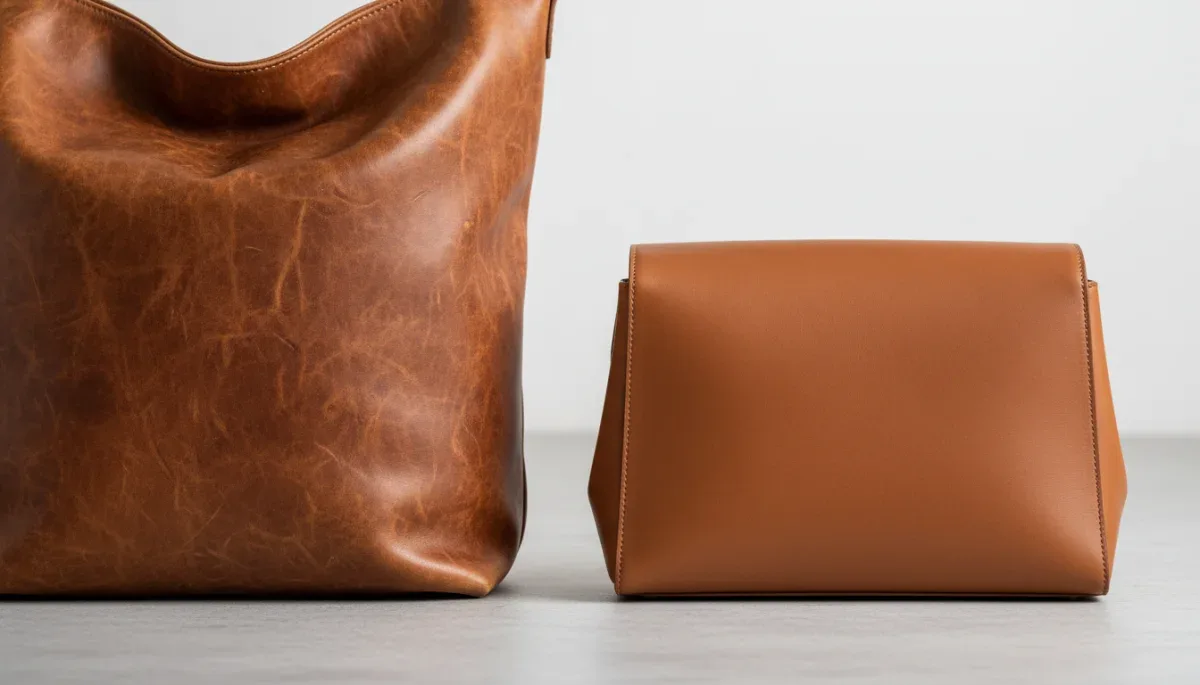
Full grain leather retains the tight, outermost layer of the animal hide, whereas genuine leather is typically manufactured from lower, separated hide splits finished with artificial coatings. Handbag buyers encounter both terms constantly on retail tags, but the structural difference between these materials determines whether an accessory lasts for decades or deteriorates within two to three years.
This guide explains how hide selection, tanning techniques, and finishing treatments affect durability, appearance, and maintenance requirements for everyday shoppers. While full grain options represent the highest tier of durability and develop an organic sheen over time, genuine leather products offer lower initial purchase prices at the expense of longevity and structural strength.
Understanding hide layers and leather processing
An animal hide consists of several distinct biological layers, each possessing different fiber densities and structural properties. The outermost surface, known as the grain layer, contains the densest network of collagen fibers. When tanneries process an entire hide without buffing, sanding, or splitting away this exterior surface, the resulting material is classified as full grain leather. Because the natural grain remains intact, full grain retains natural markings, grain variations, and maximum tensile strength.
In contrast, tanneries frequently slice thick cowhides horizontally into multiple layers using industrial splitting machines. The upper portion retains the grain, while the underlying layers are referred to as split leather or drop splits. These lower layers lack the dense, interwoven fiber structure found at the surface of the animal skin. To turn split leather into usable handbag material, manufacturers apply synthetic polymers, pigments, and embossed grain textures to mimic premium leather surfaces.
Key hide layers in leather manufacturing
- Full grain layer: The complete upper epidermal surface containing tight, durable collagen fibers and natural markings.
- Top grain layer: The upper hide section where the very top surface has been lightly sanded to remove scars and blemishes before receiving a protective finish.
- Split corium layer: The fibrous lower portion of the hide separated during splitting, commonly used as suede or finished into genuine leather.
- Bonded leather base: Ground leather scraps combined with polyurethane binders and backed with fabric mesh, representing the lowest tier of leather-derived goods.
How full grain leather behaves over time
Full grain leather is widely regarded by leatherworkers as the most durable material available for luxury and utility handbags. Because the epidermis remains untouched by abrasive sanding wheels, the natural pore structure stays functional. This allows the material to absorb atmospheric moisture and leather conditioners rather than repelling them or trapping sweat beneath a plastic seal.
Over months and years of regular use, full grain leather undergoes an oxidation and conditioning process known as patina development. Handling the handbag transfers natural oils from the skin, while exposure to ambient sunlight, air, and friction gently alters the color tone. High-contact areas such as handles, corners, and flap closures develop a rich, lustrous sheen rather than cracking or flaking. Minor surface scuffs often blend into the organic grain over time when treated with a basic beeswax or lanolin conditioner.
The dense fiber structure also prevents structural deformation around stress points. Rivets, handle anchors, and interior lining seams remain secure because full grain fibers resist stretching and tearing under load. A properly cared-for full grain tote or satchel frequently outlasts multiple interior fabric linings without losing its structural integrity.
What genuine leather actually means on a product label
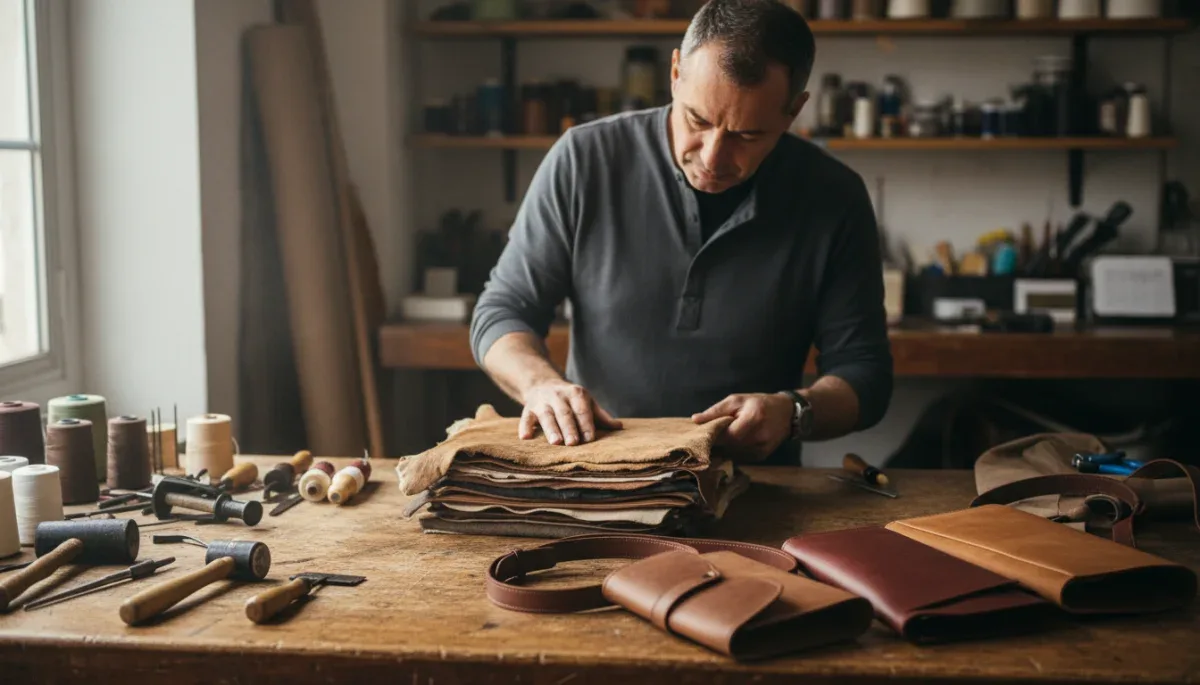
The term genuine leather is often misunderstood by consumers as a mark of superior quality. In retail labeling regulations governed by the Federal Trade Commission in the United States, the phrase simply indicates that the product contains real animal hide rather than fully synthetic materials like polyvinyl chloride (PVC) or polyurethane (PU). It does not designate hide grade, fiber density, or longevity.
In practice, manufacturers use genuine leather as an umbrella classification for split leathers, corrected-grain leathers, and heavily coated hide fractions. Because the corium fibers in split leather are loose and prone to fraying, tanneries coat the surface with acrylics or polyurethane film. An embossed roller then presses a uniform pebbled pattern onto the plastic layer to simulate natural animal skin. While the item technically contains leather, the surface that contacts your hands and the environment is synthetic.
Characteristics of genuine leather products
- Uniform surface texture: Symmetrical pebble patterns created by mechanical embossing rather than natural skin variations.
- Synthetic surface feel: A cool, slightly plastic touch that does not warm up quickly against human skin.
- Coating degradation: Tendency of the outer colored layer to peel or delaminate from the fibrous backing after prolonged flexing.
- Absence of patina: The material wears out rather than improving in appearance, as the plastic seal blocks natural aging.
Evaluating durability and long-term maintenance
The structural composition of each material directly dictates how owners must care for their bags and how long the items will remain usable. Full grain handbags require periodic conditioning every three to six months to prevent the dense natural fibers from drying out. Because the material is porous, it requires prompt cleaning if exposed to heavy rain, oils, or harsh chemicals. However, routine maintenance can keep full grain bags functional for several decades.
Genuine leather handbags present different maintenance realities. Because a polymer barrier covers the split hide, traditional leather balms and oils cannot penetrate the surface to hydrate the underlying fibers. Standard leather conditioners often sit on top of the coating, creating a sticky residue that attracts dust and lint. Cleaning genuine leather generally requires only a damp microfiber cloth and mild soap to wipe down the plastic topcoat.
The primary vulnerability of genuine leather is mechanical wear at flex points. Constant movement along strap bases, zipper tracks, and folding flaps causes micro-fractures in the polyurethane seal. Once the topcoat cracks, moisture and friction degrade the exposed fibrous layer underneath, leading to visible peeling that cannot be restored through polishing or conditioning.
Price points and manufacturing considerations
The price difference between full grain and genuine leather handbags stems directly from raw material costs and manufacturing waste. Only a modest percentage of raw cattle hides are pristine enough to be converted into full grain leather without sanding. Tanning full grain hide also requires careful vegetable or high-grade chrome tanning, which demands specialized expertise, prolonged processing periods, and precise quality control.
Additionally, cutting full grain leather patterns requires skilled artisans to work around natural blemishes, brand marks, and uneven grain sections. This selective cutting generates higher scrap rates, increasing the final cost of each finished bag. A full grain leather handbag generally commands retail prices starting in the mid-hundreds and reaching thousands of dollars depending on construction details and brand heritage.
Genuine leather allows manufacturers to use heavily flawed hides that would otherwise be discarded. By buffing away surface imperfections and applying pigmented coatings, tanneries achieve uniform sheets with zero waste. Automated cutting machines can process these standardized sheets rapidly, allowing fashion brands to mass-produce handbags sold at approachable retail prices between thirty and one hundred dollars.
How to inspect handbag leather before buying
Identifying leather quality in a retail store requires careful attention to sensory details and construction markers. Retail tags can be ambiguous, so examining edges, seams, and grain consistency provides reliable confirmation of the underlying material structure.
Start by observing the surface texture under bright light. Full grain leather exhibits subtle irregularities, pore networks, and slight color variations across different panels of the bag. Genuine leather displays perfectly repetitive patterns with no variation across seams. Next, examine any exposed cut edges, such as along the strap edges or unlined pocket rims. Full grain displays a tight, cohesive fiber cross-section, while genuine leather often reveals a fibrous lower layer capped with a distinct, painted polymer rim.
Practical inspection checkpoints
- Edge cross-sections: Examine raw leather cuts to see if the material is solid through or layered with a synthetic topcoat.
- Flex and wrinkle test: Gently bend an inconspicuous corner; full grain forms organic micro-creases, while coated genuine leather tends to buckle stiffly.
- Water absorption check: A tiny drop of clean water on raw full grain leather darkens slightly as it absorbs, whereas genuine leather repels it instantly.
- Aroma assessment: Full grain leather carries a rich, earthy scent from traditional tanning, while heavily treated genuine leather often emits a mild chemical odor.
At a glance
| Factor | What to know |
|---|---|
| Raw material source | Full grain uses the complete upper hide layer, while genuine leather uses lower split layers. |
| Average lifespan | Full grain lasts decades with proper conditioning, whereas genuine leather often degrades in two to five years. |
| Surface aging | Full grain develops a rich, protective patina, while genuine leather tends to peel and crack over time. |
| Maintenance needs | Full grain requires routine conditioning balms, whereas genuine leather needs only damp cloth surface wiping. |
Frequently asked questions
Is genuine leather real leather?
Yes, genuine leather is made from real animal hide, but it typically consists of the weaker lower split layers. Manufacturers apply synthetic polyurethane coatings and embossed textures over these fibers to mimic the appearance of higher-grade outer grain leather.
Can you restore peeling genuine leather?
No, peeling genuine leather cannot be restored to its original condition. When the synthetic surface coating separates from the underlying split fibers, conditioning products cannot re-bond the layers, making permanent repair impossible for typical household care routines.
Does full grain leather scratch easily?
Yes, full grain leather can show light surface scuffs because its natural grain lacks thick plastic coatings. However, routine conditioning with leather balms helps buff out minor abrasions, blending them into the bag's developing organic patina over time.
Why is full grain leather more expensive?
Full grain leather commands higher prices because only unblemished hides qualify for production, generating more material waste during cutting. Additionally, traditional tanning techniques and artisan assembly require substantially more production time than mass-market synthetic finishing methods.
The bottom line
Choosing between full grain leather and genuine leather comes down to balancing initial budget against long-term durability. Full grain handbags represent an investment in natural aging, structural resilience, and long-term repairability, while genuine leather offers an accessible price point for short-term seasonal styling. Before purchasing, check the manufacturer's exact material specifications and inspect edge seams to verify whether the product uses full grain hide or coated split leather.
Written by
Maria Teixeira
Maria Teixeira writes about home & kitchen, clothing & accessories and shoes & bags for inserdernews.com. Each article explains how things work, compares published details such as prices, policies and program rules, and points readers to the official source before they decide.